17 篇全文

When Remote Cache Is Slower Than Memory: MI Is Correctness, ESF&OD Is Economics

When Fetching a KV Prefix Costs More Than Recomputing It

One CPU SKU Is Not One Latency Distribution

Known-Good Die Does Not Mean Known-Good Product

The Cheapest Accelerator Can Waste the Most Expensive Megawatt

When Separating Prefill and Decode Creates More Work

Huge Pages, Tiny Hotspots

Speculative Decoding Can Spend More Than It Saves

More Cores, Less Useful Server

Sparsity Saves FLOPs and Buys a Barrier

Pooled Memory Can Pool the Tail

The Fastest Kernel Can Slow the Service

A Checkpoint Is Only as Useful as Its Restore Path

The GPU Hour Is the Wrong Unit of Compute

Chiplets Save Silicon. The Fleet Pays for the Boundary.
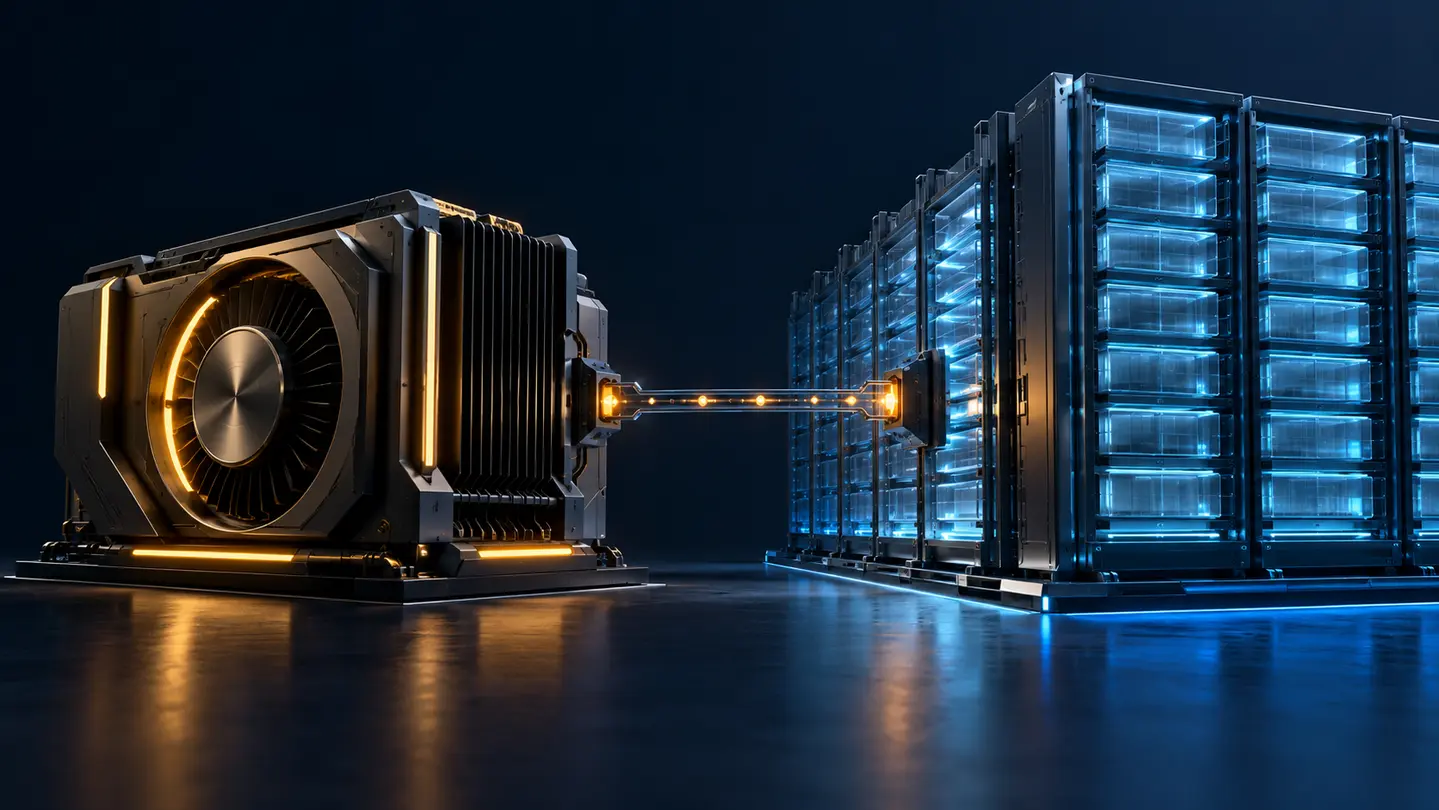
The Cheapest Memory Can Strand the Most Expensive Compute

High MFU Can Hide Expensive Tokens
Five-Stage Architecture Thinking
- Identify the inherited assumption. Which work is treated as necessary, which implementation as the only possible expression, and which component metric as user value?
- Identify the changing conditions. Which shift in physical cost, parallel mapping, power constraints, or system scale makes the old assumption begin to fail?
- Establish the causal mechanism. Specify where costs are eliminated, shifted, or hidden. Hiding a wait does not eliminate the underlying latency.
- Test the crossover condition. Account for both savings and new overhead. Fix the workload, quality, and comparison boundary, and explain where the conclusion reverses.
- Define the architectural action. Decide whether policy belongs in representation, compilation, scheduling, interfaces, or the complete system. Name a diagnostic that could falsify the hypothesis.